 IVRYN
What an agence developpement mvp search is really asking
The French query "agence developpement mvp" means an MVP development agency: an outside team hired to design and build a minimum viable product. Before contacting one, it helps to understand what you are buying. An agency sells delivery capacity. It cannot supply your problem definition, your user knowledge or the decision you need the MVP to inform. If those are missing, the agency will fill the gap with assumptions, and you pay for those assumptions in code.
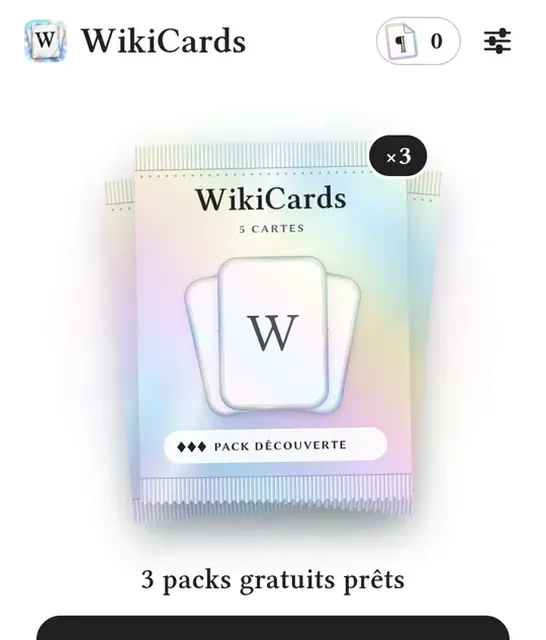
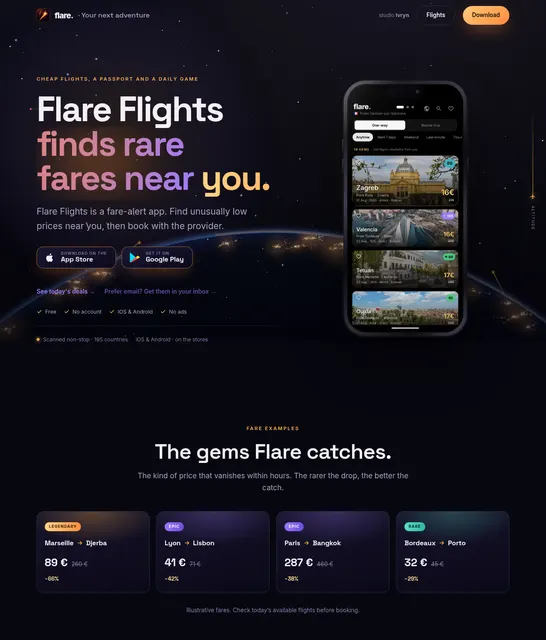
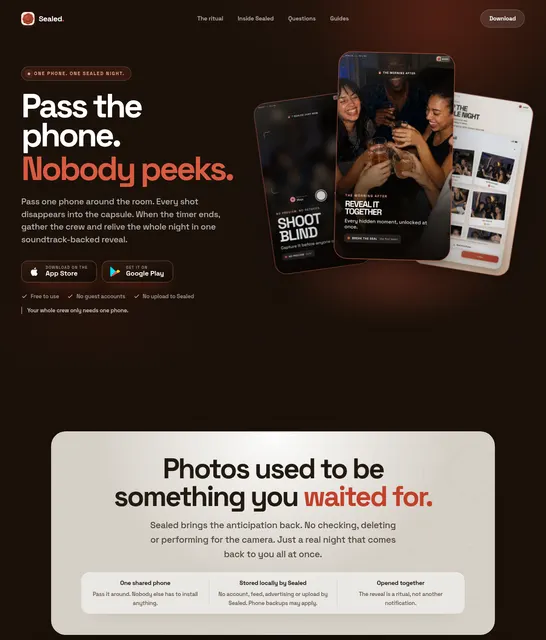
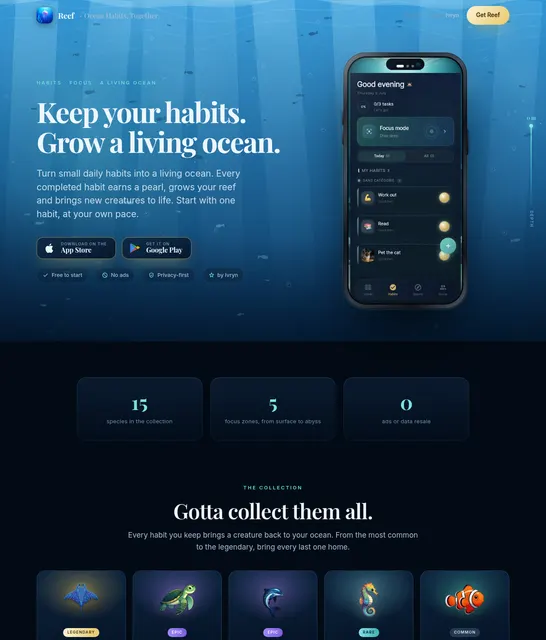
This guide is written from the perspective of IVRYN, an independent Paris studio that runs its own separate products, each aimed at a distinct audience. It does not describe client engagements or compare agencies. The advice comes from IVRYN's published product methodology and its guide on prototypes, proofs of concept and MVPs, so it covers how to prepare and evaluate the work rather than which provider to choose.
Confirm that an MVP is the right artifact
Many briefs sent to an agence developpement mvp actually describe a different need. IVRYN's guide separates three artifacts by the question each answers. A prototype explores how an experience should work. A proof of concept tests whether one important technical assumption is feasible. An MVP is the smallest responsibly operated product that can produce useful evidence from a real user path.
The practical consequence is cost and risk. If your team still disagrees about the user flow, an MVP build will turn that disagreement into rework. If the whole idea depends on an uncertain API or algorithm, a short technical proof may answer the question faster than a full release. The guide's advice is to pick the artifact by the uncertainty blocking your next decision, not by which label sounds more advanced.
A useful test: write one sentence stating the decision the work should support. If that sentence is about real usage evidence from real users, an MVP fits. If it is about feasibility or understanding, ask the agency whether a smaller artifact would do.
Write the problem boundary before the brief
IVRYN's methodology starts every product with a specific user, task and context, and treats the first output as a testable statement of what the product should help someone do, not a promise of impact. That framing works well as an agency brief, because it gives both sides something to verify instead of a list of screens.
The methodology also insists on writing down assumptions, dependencies and exclusions early, so a polished interface cannot hide an undefined problem. In an agency context this protects you twice: it limits scope creep and it makes the quote comparable across providers.
Bring a short document covering at least the following items.
- The intended user and the job they are trying to get done
- What you have observed versus what you are guessing
- Security, privacy, accessibility and platform constraints
- What the MVP will explicitly not do
- The result that would change your plan, and what the result cannot show
Questions to ask about building, verifying and operating
Small testable releases depend on how an agency handles the unglamorous parts. The methodology expects critical flows to include failure states, understandable language and a recovery path, and limits data collection to what the feature and its operation require. Ask a prospective agency how it handles each of these, and whether accessibility is part of the definition of done or a later phase.
Verification is the second area. IVRYN's standard treats verification as proportional to risk and does not call a successful local build a production release until the public endpoint has been checked. Ask what checks an agency runs before calling something shipped: automated tests, manual flow tests, responsive visual checks, monitoring of the deployed route. Also ask how it reports a lab score such as Lighthouse; the methodology treats it as a time-specific measurement, not a guarantee of real-world experience.
Finally, ask about dependencies. Third-party services carry their own availability, policy and cost constraints. If the MVP includes AI-assisted features, the interface should show when output is generated, where human review is expected and what happens when a provider is unavailable.
Example: scoping a hypothetical booking MVP
Illustrative example, not a real project: a two-person team wants an MVP that lets independent tutors accept bookings. Their first brief lists twelve features, including payments, reviews and a calendar sync. Before contacting an agency, they write their decision sentence: "We need to know whether tutors will route real bookings through a shared link instead of messaging."
That sentence trims the scope. Reviews and a mobile app do not affect the decision, so they move to an exclusions list. Calendar sync is an uncertain integration, so the team considers a short proof of concept first. The MVP keeps one path: a tutor shares a link, a student books a slot, both receive a clear confirmation, and a failed booking shows a recovery option. The measurable outcome is the share of tutors who send at least one real booking through the link during a defined period, with a written note that this does not prove willingness to pay.
Limits of what an MVP engagement can prove
IVRYN's guide is direct about limits: a convincing prototype does not prove production quality, a successful technical proof does not prove demand, and a deployed MVP does not prove adoption, revenue or product-market fit. Be cautious with any agency pitch that blurs these lines, for example by presenting a launch date as validation.
The measurable outcome of an agency engagement is better evidence for one decision, gathered from a product that is safe and understandable to use. Define that outcome before signing, keep the release small enough to change, and judge the work by whether it answered your question. This guide does not cover contracts, intellectual property terms or financing; seek qualified advice for those.
Frequently asked questions
What does "agence developpement mvp" mean?
It is French for an MVP development agency: an external team hired to design and build a minimum viable product, meaning the smallest responsibly operated product that can produce useful evidence from real users.
Should I hire an MVP agency or start with a prototype?
It depends on what blocks your next decision. If the user flow is still unclear, a prototype is usually more suitable. If one technical assumption is uncertain, a proof of concept may be enough. An MVP fits when the problem and path are understood and you need evidence from real use.
Does a launched MVP prove that a product will succeed?
No. A deployed MVP can provide evidence about how real users behave on a specific path, but it does not by itself prove adoption, revenue or product-market fit. Those conclusions need further evidence over time.
Sources and further reading
These resources provide the wider reference frame. Product statements on this page are limited to the public information provided by IVRYN.