 IVRYN

What is MVP development, in practice?
If you are asking what is MVP development, the short answer is this: it is the work of building the smallest version of a product that real people can actually use for a specific problem, so that you can learn whether the product deserves more investment. 'Minimum' refers to scope, not quality. 'Viable' means the release must genuinely work for someone, not merely look like it might.
In practice, MVP development is less about code than about decisions. A team picks one problem, one audience and one measurable signal of usefulness, then builds only what is needed to produce that signal. Everything else, including features that seem obviously valuable, waits until the release has informed the decision it was built for.
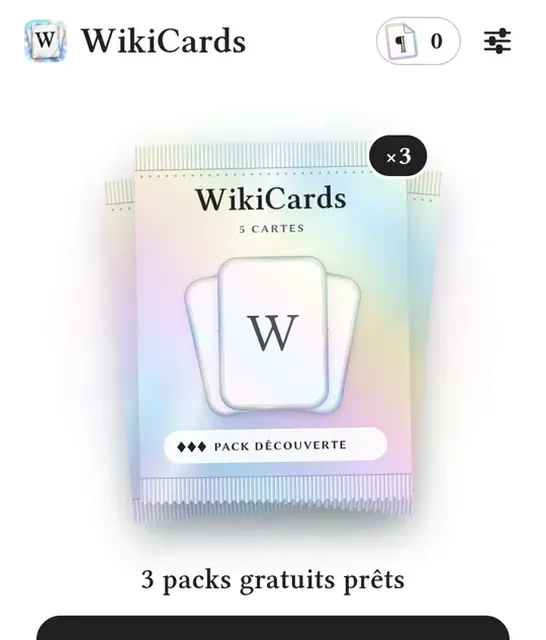
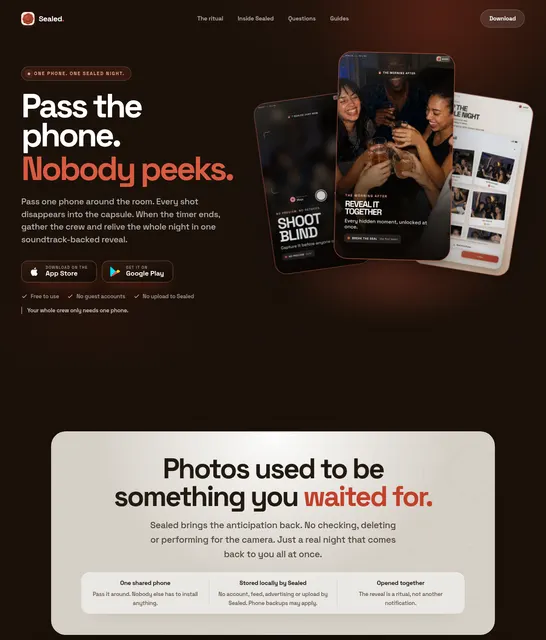
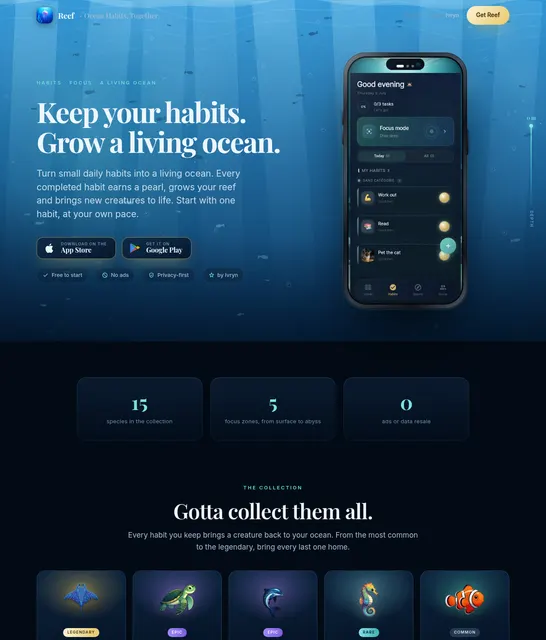
IVRYN is an independent Paris studio running several narrowly focused products, each aimed at its own audience, so this article reflects small, tightly scoped software rather than large platform launches. It is a general explanation grounded in the studio's published methodology and guide, not a report of studio research or observed results.
How an MVP differs from a prototype or a proof of concept
These three terms are often used interchangeably, and the confusion leads to poor decisions. A proof of concept asks whether something can be built at all, usually for an internal audience. A prototype asks whether an idea or interface makes sense to people, often without working underneath. An MVP is a bounded release path that real users can use, tied to a specific learning decision.
IVRYN's guide on prototype vs MVP vs proof of concept treats these as distinct tools with distinct questions, and it does not impose a fixed order. A team can skip a prototype or a proof of concept when its decision record explains why, for example when feasibility is already well understood. What matters is that each artefact is judged by the question it was built to answer.
Before relying on the label, ask which question you are actually trying to answer. If the honest answer is 'can this work technically?', a proof of concept may serve you better, and calling the work an MVP may push you to ship something users cannot yet rely on.
Start with problem clarity, not a feature list
A common way MVP development goes wrong is starting from a list of features rather than a problem statement. A feature list grows naturally; a problem statement forces trade-offs. A useful statement names who has the problem, when it occurs, what they do today instead, and what would count as a better outcome for them.
Problem clarity also defines what you will deliberately leave out. If the problem is 'freelancers lose track of unpaid invoices', then onboarding wizards, team accounts and integrations are probably out of scope for the first release, however tempting they are. Writing these exclusions down protects the team from scope creep later.
IVRYN's methodology favours clear scope and measurable usefulness. In MVP terms, that means the problem statement should be specific enough that you can define, before release, a measurement window and the signal that would tell you whether the release helped.
Measurable outcomes and the limits of what an MVP proves
The guide frames an MVP as one bounded release path tied to a learning decision, not an open-ended stream of features. Any follow-up release should be justified by what the first one revealed. Keeping scope tight makes it easier to connect a change in behaviour to a specific decision instead of guessing which of many changes mattered.
Agree the outcome before shipping. Good outcomes describe behaviour tied to the problem: tasks completed, repeat use within the window you defined, or a reduction in a manual step. Page views or sign-ups alone say little about usefulness. Equally important is the evidence limit: a deployed MVP does not by itself prove regular use, satisfaction, adoption, revenue or product-market fit. Whether real users keep using it is a question the MVP produces evidence on, not something the release establishes.
Responsible automation belongs here too. Automating a workflow before you understand it can hide the signals you need. Handling some steps manually at first, then automating once the pattern is clear, keeps the evidence readable.
What 'minimum' does not remove: safeguards and accessibility
'Minimum' narrows features, not responsibilities. The supplied guide is explicit that consequential safeguards are not exempt: authentication, authorisation, privacy, error handling, monitoring and recovery belong in the release wherever the context requires them. If real users trust the product with data or work, a missing safeguard is a defect, not a deferred feature.
Accessibility belongs in the same category. If some intended users cannot navigate by keyboard, read low-contrast text or use a screen reader, your results will understate real demand and you may learn the wrong lessons. Semantic structure, readable contrast, labelled form fields, visible focus states and clear error messages are part of making the core task genuinely usable.
Deciding which safeguards apply is itself a scoping decision worth recording. Note what the context requires, what you included, and why anything was judged unnecessary, so the reasoning can be reviewed if the product grows.
Example: a pre-build checklist for an MVP decision
The following is a hypothetical example, not a case IVRYN has run. Imagine a two-person team planning a tool that helps small clinics refill cancelled appointment slots. Before writing code, they work through the checklist below and only proceed if every item has a concrete answer.
In this example, the team notices their outcome metric is vague and their plan includes calendar sync, which the problem statement does not require. They cut sync, keep authentication, access controls and error logging because patient-related data is involved, define success as the share of cancelled slots refilled within a measurement window set in advance, and treat the result as evidence for their next decision rather than proof of adoption.
- Problem: can you state who has it, when, and what they do today, in two sentences?
- Question: is this work testing usefulness (MVP), feasibility (proof of concept) or understanding (prototype), and is any skipped step explained in your decision record?
- Scope: have you written down what is deliberately excluded?
- Outcome: is there one behavioural measure and a measurement window agreed before release?
- Safeguards: are authentication, authorisation, privacy, error handling, monitoring and recovery covered where the context requires them?
- Accessibility: can the core task be completed by keyboard and screen reader?
- Next step: do you know what you will do if the signal is weak?
Frequently asked questions
What is MVP development in simple terms?
MVP development is the process of building the smallest working version of a product that real users can use for a specific problem. Its purpose is to produce measurable evidence for a defined learning decision before investing in more features, while keeping the safeguards the context requires.
Is an MVP the same as a prototype?
No. A prototype tests whether an idea or interface makes sense to people and may not function underneath. An MVP is a working, bounded release used by real people to inform a specific decision. There is no fixed order between them: a team can skip a prototype if it records why that step is unnecessary.
Does a successful MVP launch prove product-market fit?
No. A deployed MVP does not by itself prove regular use, satisfaction, adoption, revenue or product-market fit. It produces evidence on those questions. Define the behavioural signal and the measurement window before release, then judge whether that evidence justifies the next decision.
Sources and further reading
These resources provide the wider reference frame. Product statements on this page are limited to the public information provided by IVRYN.